Water Will Certainly Locate a Way In
Water marks on a ceiling, or even worse, trickling water, might have you stressed that your entire roofing is in tatters. However just because there's a leakage does not indicate your roof will certainly call for a substantial quantity of repairs. Occasionally stopping it is as straightforward as filling a fracture with caulk, replacing a few shingles, or installing some flashing-- a membrane layer or layer of steel that supplies a mechanical obstacle to reroute water at corners, holes, voids, as well as other spots susceptible to leaking.
Fallen tree arm or legs, hail, and also also wind can loosen up or remove roof shingles. Damaged flashing is one more common wrongdoer. Even rubberized boots around plumbing pipes, or with incorrectly set up dish antenna or photovoltaic panels can trigger separated leakages. To establish what kind of leakage you have actually hopped on your hands, initially attempt to map it to its beginning.
Looking for Leaks
It's simplest to discover a leak when it's raining outside. Remember that water often collects at a place that's various from where it's entering-- it generally diminishes the length of a rafter or stud and only leaks once it gets to a low point.
In an unfinished attic room, the framework is visible, so simply start at the leak and look along the size of any type of timber mounting that brings about that factor, to see if you locate a trail of water that comes from higher up on your roof. In a finished attic room, you'll require to utilize a handheld device called a stab saw to cut away any kind of drywall that blocks your sight. When you believe you've discovered the beginning, consider top of the roof (you can do this securely from the ground with a pair of binoculars) to see if you can identify any evident culprits, like missing shingles, or worn flashing near a smokeshaft.
If you can not locate the leak on your own, a certified roofer can perform an evaluation and also make referrals about whether fixing or replacement is required. Also if you're able to find your very own leak, you'll want to leave the repair task to a pro-- climbing onto your roof covering with a tall expansion ladder is an unsafe job. Most leaks can be stopped if they're restricted to a few spots. If, however, you're experiencing repeating leaks, and your roof covering is out of guarantee, it might be time for a brand-new roof. The money you would invest in multiple temporary solutions is possibly much better put on a new roofing with a lengthy service warranty.
Various Other Indication
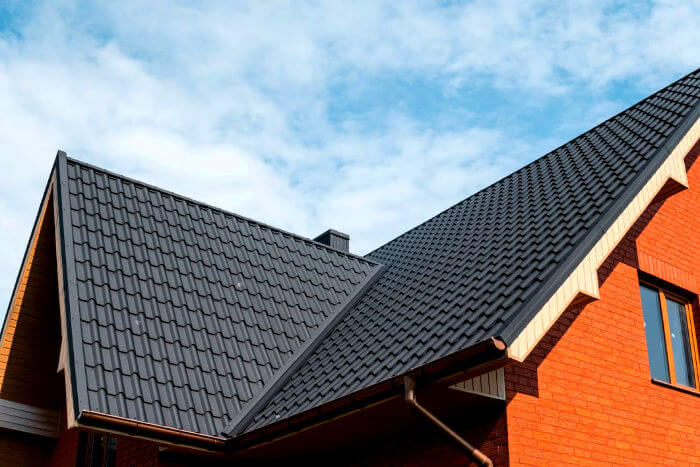
You do not need to wait for leaks to appear before you think about fixings to your roof, however. Missing, damaged, or curling tiles can all be indicators of Montclair Flat Roof leakages ahead. And also the age of your roof itself can be an overview-- home owner's insurer usually assume an asphalt shingle roofing will certainly last about 20 years, as well as some insurers will not offer protection if your roof is older than that. If your roofing system was put on by the previous owner of your home, a professional roofer or a certified house assessor can normally offer a harsh quote of the age, based upon the problem of the roof shingles.
Even without leakages or apparent indications of damages to the roof covering, it can make good sense to change an out-of-warranty roof covering that's more than twenty years old. That's because when a leak establishes, it can do severe damages to the timber sheathing underneath the tiles. And also if that sheathing ends up being distorted or decomposed, changing it can add a number of thousand dollars to the overall cost of your brand-new roofing system when you do get around to replacing it. The image below programs the various layers involved in a regular roofing.
Insurance Insurance coverage
Before you employ any individual to service your roof, call your home owner's insurance company to check your insurance deductible and protection for http://www.thefreedictionary.com/Montclair Roofing roof covering repairs or replacement. You'll want to consider your out-of-pocket expenses against the expense of changing your roofing entirely. Consider any type of resulting increase in your costs also-- it may make even more sense to merely cover the cost on your own.
Usually, property owner's insurance plan might cover, or add toward, the repair service of separated leaks, yet won't cover the expense of replacement. A lot of insurance companies will send out an insurance adjuster to offer an estimate for the repair, and policies usually cover repairs to the roofing system, in addition to any damage to the framing, drywall, or flooring that results from a leaking roof covering. If you do receive a payout from your insurance company, you can use that cash to make the specific repair services, or apply it toward the cost of a complete replacement.